

Introduction to Bathroom Renovations
Bathroom renovations are an essential aspect of home improvement, often regarded as one of the most effective ways to enhance a home’s value and functionality. These renovations not only upgrade aging fixtures and outdated designs but also can improve the overall aesthetic appeal of a property. As one of the most frequently used spaces in a home, a well-designed bathroom can add significant comfort and convenience to daily routines.
Many homeowners embark on bathroom renovation projects with the anticipation of creating a more inviting and efficient space. In addition to increasing property value, a successful renovation can also lead to improved energy efficiency and water conservation, with modern fixtures and materials that are designed for sustainability. These enhancements make bathroom renovations not just a cosmetic upgrade but a practical investment in one’s home.
Despite the clear benefits, bathroom renovations can be fraught with challenges. Homeowners often encounter a range of obstacles that can lead to costly mistakes, from miscalculating budgets to selecting inappropriate materials. Additionally, understanding the necessity of proper planning and adherence to building codes can be overwhelming. As a result, it is crucial for homeowners to be aware of potential pitfalls that may arise during these projects.
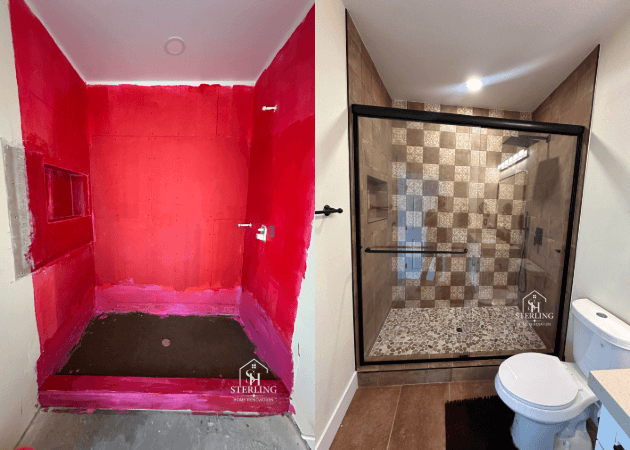
Throughout this blog post, we will explore the top five mistakes that homeowners typically make during bathroom renovations. Identifying these common errors and understanding their implications can enable homeowners to navigate the renovation process more effectively. By being equipped with the knowledge of these pitfalls, homeowners can approach their renovation projects with confidence, ensuring a successful and satisfying outcome.
Mistake 1: Underestimating Budget and Costs
One of the most common errors homeowners face when embarking on a bathroom renovation is the underestimation of costs associated with the project. Proper budgeting is crucial to ensure that the renovation process runs smoothly and fits within the financial parameters set by the homeowner. Many individuals erroneously believe that they can carry out the renovation as per initial estimates, often overlooking hidden costs that can easily inflate the overall budget.
When considering a bathroom remodel, it is essential to take into account not only the visible expenses, such as materials and fixtures but also the less apparent costs that may arise during the renovation process. One significant factor is the potential need for plumbing and electrical work. These aspects often require professional expertise and can incur substantial costs that can impact the initial budget. For example, updating old plumbing systems to accommodate new fixtures or addressing any electrical adjustments can lead to increased expenses that homeowners might not anticipate.
Additionally, there are unforeseen costs that can emerge during the renovation due to structural issues or the discovery of mold and water damage during demolition. These issues tend to arise without warning, further complicating the budgeting process. Therefore, it is crucial for homeowners to allocate a portion of their budget specifically for unexpected expenses. A common recommendation is to set aside 10-20% of the total renovation budget for these potential surprises.
To avoid the pitfalls of underestimating costs, homeowners should conduct thorough research and seek multiple quotations from professionals in the field. Creating a comprehensive list of all expected expenses, along with a buffer for unplanned costs, can lead to a more realistic budget. Taking these steps not only aids in financial preparedness but also enhances the likelihood of a successful renovation experience.
Mistake 2: Ignoring Professional Help
Homeowners often approach bathroom renovations with the intent to save money by undertaking the project themselves. While the DIY approach may appear financially appealing, it frequently leads to oversights and costly mistakes. Ignoring the value of professional help can result in a variety of problems that, in the long run, negate any potential savings. This section will explore the importance of hiring qualified professionals such as contractors and designers.
First and foremost, professionals have a wealth of knowledge and experience that the average homeowner may lack. They possess an understanding of local building codes and regulations, which is crucial for ensuring that renovations comply with legal standards. Noncompliance can lead to fines and additional expenses, making initial savings through DIY efforts counterproductive.
Moreover, skilled contractors and designers have a trained eye for design and functionality. They can provide insights that a homeowner might overlook, such as optimal layout design, materials that enhance durability, and cost-effective alternatives. Engaging these experts helps ensure that the renovation not only meets aesthetic preferences but also operates efficiently and effectively.
Additionally, by opting for professional assistance, homeowners can safeguard against common pitfalls. For instance, improper installation of plumbing fixtures can lead to leaks, which may cause extensive water damage over time. Likewise, electrical work completed without proper knowledge can create safety hazards or fail to meet code requirements. Professionals are equipped to handle these complexities, reducing the risk of future issues.
In conclusion, while DIY projects can be satisfying, ignoring the necessity of hiring professional help during a bathroom renovation can ultimately undermine the quality of the work and inflate costs. Engaging qualified contractors and designers is an investment in long-term satisfaction and peace of mind, leading to a well-executed bathroom renovation that adheres to standards and meets the homeowner’s vision.
Mistake 3: Choosing Style Over Functionality
In the realm of bathroom renovations, a common misstep homeowners commit is prioritizing aesthetics at the expense of practicality. While it is undeniably important for a bathroom to reflect personal style and taste, an exclusive focus on trendy designs can lead to significant functionality issues down the line. A beautifully designed bathroom can become a source of frustration if the layout does not support efficient use of space or if essential features are neglected.
The layout of a bathroom plays a crucial role in its overall functionality. An appealing design that lacks a logical flow can make daily activities cumbersome. For instance, placing the toilet too far from the sink or shower can create inconvenient obstacles during routine tasks. Homeowners should give careful thought to how they use their bathroom and consider the relationships between fixtures. This approach ensures that the aesthetic choices made do not hinder usability.
Storage is another area where the balance between style and functionality is often overlooked. Stylish cabinetry and decorative shelving might look fantastic, but if they do not provide adequate space for essential items, they can quickly become impractical. Homeowners should evaluate their storage needs beforehand, ensuring their design incorporates sufficient and easily accessible storage solutions. Customized cabinetry that blends seamlessly with the design while maximizing space can be a worthwhile investment.
Accessibility is paramount, especially for those who may have mobility challenges. Features like grab bars, walk-in showers, and non-slip flooring not only enhance safety but can also be integrated into a design that remains visually captivating. By considering the needs of all users, homeowners can create a space that is both attractive and accessible, ensuring that it serves its purpose effectively.
In conclusion, while style is important in bathroom renovations, it should not come at the cost of functionality. A successful design strikes a balance where aesthetics complement practical considerations. Homeowners should carefully evaluate their choices to ensure long-lasting satisfaction with their newly renovated spaces.
Mistake 4: Failing to Plan for the Future
Many homeowners embark on bathroom renovations with a primary focus on their current needs and preferences. However, one significant oversight frequently occurs: failing to plan for the future. This can lead to a situation where the newly renovated space quickly becomes inadequate due to changing circumstances or evolving requirements.
Life is unpredictable and can introduce a range of adjustments that affect how a bathroom is utilized. For instance, as families grow, they may require additional functionality, such as more storage, a larger shower area, or even the need for accessibility features. Similarly, as individuals age, the necessity for a more accessible bathroom becomes paramount. Homeowners should consider incorporating elements that accommodate all stages of life, such as grab bars, curbless showers, and adjustable vanities.
Moreover, lifestyle changes—like the arrival of children or adult parents moving in—can necessitate a re-evaluation of bathroom requirements. A design that prioritizes aesthetics over practicality might soon become an inconvenience, prompting another renovation sooner than anticipated. Ensuring that the space is adaptable to varying needs can save homeowners time and expense in the long run.
Planning for the future does not solely involve physical changes but also the foresight to create a versatile environment. Choosing timeless designs and durable materials can contribute to longevity, coupled with flexible layouts that can easily be modified as needed. Homeowners should contemplate their potential future scenarios during the design phase, addressing possible needs before they arise.
Ultimately, the goal of a bathroom renovation should transcend immediate gratification. By anticipating future demands and embracing a robust, flexible design strategy, homeowners can ensure that their renovated bathrooms remain functional and relevant, reducing the likelihood of encountering regret from a lack of foresight.
Mistake 5: Poor Material Choices
Selecting the appropriate materials during a bathroom renovation is crucial, yet many homeowners fall into the trap of choosing poor-quality or unsuitable options. The consequences of such decisions can manifest in various ways, ranging from water damage to aesthetic mismatches.
Bathrooms are inherently humid environments, making it essential to select materials that can withstand moisture without degrading. For instance, using standard drywall instead of moisture-resistant green board in areas exposed to water can lead to mold growth and structural issues over time. Similarly, neglecting to use waterproof membranes in shower areas can result in water leaks that damage underlying structures.
Maintenance is another significant consideration in material selection. Some materials may appear visually appealing but can demand high upkeep, which can be a hassle for busy households. For example, natural stone may add elegance, but it often requires sealing regularly to prevent staining and damage. On the other hand, porcelain tiles can offer the same aesthetic properties but with more durability and less maintenance.
Aesthetic mismatches can also arise from poor material choices. Homeowners might opt for trendy materials that do not align with the overall design of their home. This could lead to a disjointed appearance that diminishes the value of the space. Selecting cohesive materials that blend with existing decor can enhance both the beauty and functionality of the bathroom.
In conclusion, careful consideration should be given to material choices during bathroom renovations. By prioritizing durability, moisture resistance, and aesthetic compatibility, homeowners can avoid many common pitfalls associated with poor material selections. Taking the time to research and select the right materials can ultimately protect the home and enhance the overall renovation outcome.
Conclusion: Learning from Mistakes
In summary, undertaking a bathroom renovation can be both an exciting and daunting task for homeowners. Throughout this discussion, we have highlighted the most common pitfalls that individuals encounter during this process. By acknowledging these mistakes, homeowners can make informed decisions that avoid costly and frustrating setbacks.
One of the key lessons is the importance of extensive planning. Rushing into a renovation without a clear vision can lead to a range of issues, including budget overruns and dissatisfaction with the final result. Homeowners should take the time to carefully consider layout, style, and functionality, ensuring that the new design aligns with their needs and preferences.
Furthermore, it is crucial to prioritize quality materials and skilled labor. While it may be tempting to cut corners for immediate savings, investing in high-quality elements can significantly enhance the longevity and overall appearance of a bathroom. Engaging experienced professionals can also mitigate risks associated with improper installations or unforeseen structural issues.
Additionally, understanding the significance of permits and codes is vital in avoiding legal complications. Failing to comply with local regulations may result in severe penalties or the need for expensive rework. Therefore, homeowners should diligently research the requirements that pertain to their specific renovation projects.
Finally, maintaining open lines of communication with contractors and seeking feedback during the renovation process can contribute to a successful outcome. Establishing a collaborative relationship can not only increase transparency but also allow for adjustments as necessary, securing a bathroom that meets both functionality and aesthetic goals.
Ultimately, learning from the mistakes outlined in this blog post can empower homeowners to navigate their bathroom renovations with confidence, transforming their spaces while avoiding common traps that could lead to disappointment. By approaching the renovation with diligence and foresight, the reward of a well-designed and functional bathroom will be well within reach.
Additional Tips for Successful Bathroom Renovations
Embarking on a bathroom renovation can be an exciting yet challenging endeavor for homeowners. Proper planning is essential to navigate this complex process successfully. To start, it is beneficial to create a clear vision of what you wish to achieve. This encompasses not only aesthetic preferences but also practical aspects like functionality and accessibility.
Thorough research is critical when selecting contractors. Homeowners should gather multiple quotes, check references, and look for reviews online to ensure they choose a reputable professional. Engaging with your contractor early on allows you to establish expectations and ensure that your renovation aligns with your vision. Additionally, clear communication can mitigate potential misunderstandings that may arise during the project.
Staying updated on current trends is crucial, but it is equally important not to get swept away by fleeting fads. Homeowners should focus on timeless designs and durable materials that will stand the test of time. Selecting fixtures and finishes that strike a balance between style and practicality can significantly influence the longevity and comfort of your bathroom.
Moreover, setting a realistic budget is paramount. Ensure that you account for all potential expenses, including unexpected costs that may arise during the renovation process. Allocate a contingency fund to deal with any surprises, such as hidden damages that need addressing once work begins.
Lastly, consider the overall functionality of the space. Efficient use of available space can drastically enhance the user experience. When designing your bathroom, think about storage solutions, layout, and how each element works together. Prioritizing functionality ensures that your investment in renovation yields long-term satisfaction.