
Understanding Commercial Flooring Durability
When it comes to selecting flooring for commercial spaces, durability is a primary concern. The right choice can enhance performance and longevity, making it crucial for business owners to understand the available options. Each commercial flooring material possesses unique characteristics that influence its durability, including resistance to wear, impact, and moisture.
Popular Durable Flooring Options
Among the most popular durable flooring types are vinyl, ceramic tile, and polished concrete. Vinyl flooring is known for its resilience and easy maintenance, making it ideal for high-traffic areas. Ceramic tiles are hard and resistant to scratches, ensuring they can withstand heavy loads over time. Polished concrete not only offers remarkable durability but also adds a modern aesthetic appeal, making it a favored choice for retail and office environments.
Factors to Consider for Longevity
While selecting flooring materials, consider factors like the expected foot traffic, environmental conditions, and maintenance requirements. Accurately assessing these aspects will help in making an informed decision that aligns with the specific needs of the commercial setting. Moreover, selecting reputable manufacturers with proven warranties can provide additional assurance for long-term durability.
1. Poured-in-Place & Seamless Systems (The Absolute Highest Durability)
For maximum longevity, seamless flooring eliminates grout lines and joints, which are typically the first points of failure in high-traffic commercial zones.
- Terrazzo: Composed of a cement or epoxy resin matrix mixed with aggregates like marble, quartz, or recycled glass, terrazzo is the gold standard of lifetime durability. It can easily last several decades, is highly resistant to scratching, and is ideal for high-profile areas like airports, corporate lobbies, and educational facilities.
- Polished Concrete: For industrial spaces, large retail centers, and modern open offices, polishing existing concrete slabs creates a highly wear-resistant surface. It eliminates the need for topical coatings that peel, resists surface dusting, and handles immense rolling loads or heavy machinery with minimal maintenance.
- Resinous and Industrial Coatings: Systems like quartz-filled epoxies or heavy-duty Duraamen Kraftig Urethane Concrete Kits are engineered for extreme environments. They offer seamless moisture protection, exceptional chemical resistance, and thermal shock protection, making them the industry standard for commercial kitchens, laboratories, and food manufacturing facilities
2. Resilient Modular & Tile Options (The Balance of Design & Toughness)
Where a poured system is budget-prohibitive or a specific aesthetic is required, commercial-grade resilient modular tiles provide targeted strength and easy spot-replacement
Luxury Vinyl Tile & Plank (LVT/LVP): Modern commercial-grade LVT features a dense stone-polymer composite (SPC) or rigid core construction with a thick wear layer (typically 20 to 28 mil). Options like Mohawk Hot and Heavy II Tiles mimic wood or stone while providing excellent water resistance and scratch resistance for busy offices, salons, and retail environments
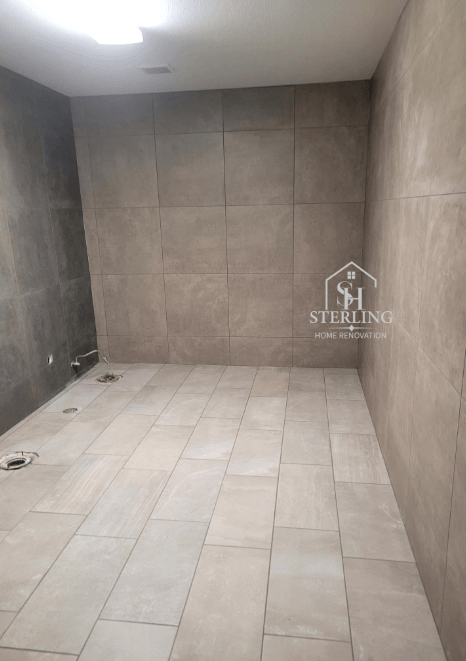
Quarry Tile: Made from hard-fired natural clays, quarry tile is almost impervious to moisture, grease, and heavy impact. It is the default choice for the back-of-house areas of restaurants and high-abuse commercial spaces
Vinyl Composition Tile (VCT): A budget-friendly, long-standing commercial staple composed of limestone and plastic binders, such as Armstrong Standard Excelon Tiles. While VCT requires ongoing waxing and stripping, the color and pattern run completely through the material, meaning scratches do not destroy its appearance
3. Utilitarian & Specialty Systems (Acoustics & Impact Absorption)
Some commercial spaces prioritize protective attributes over pure hardness, turning to flexible polymers or fabrics designed to handle repeated targeted stress.
- Rubber Flooring: Highly favored in healthcare settings, fitness centers, and sports facilities, rubber absorbs impact, muffles noise, and provides reliable slip resistance. It resists heavy foot traffic and dropped weights without cracking, though its appearance is strictly functional.
- Sheet Vinyl: Ideal for environments demanding total hygiene, such as hospital rooms and cleanrooms. Its seams can be heat-welded to create a completely sterile, moisture-proof barrier that withstands intense medical-grade chemical cleaning.
- Carpet Tiles: While less durable than hard surfaces, commercial carpet tiles made from solution-dyed nylon are heavily utilized in corporate settings. They resist staining and fraying, absorb background sound, and allow facility managers to swap out individual damaged squares rather than replacing the entire floor